
Every job that sits on the lift longer than it needs to is money walking out the door. In a body shop or PDR bay, the difference between a five-minute glass removal and a forty-five minute one is not just convenience. It is the difference between four jobs a day and two.
Induction heating tools like the Inductor® Pro-Max and Inductor® Glass Blaster®, part of the Inductor® Series product line, were built to close that gap. This is not another safety pitch. It is a look at the real labor math behind switching to induction heat, and what faster, more consistent repairs mean for a shop’s bottom line.
The Real Cost of Slow Repairs in a Modern Shop
Shop profitability comes down to one number more than any other: jobs completed per bay, per day. Every minute a technician spends waiting on a torch to heat evenly, waiting for adhesive to soften, or redoing a step because the first attempt damaged a part is a minute that bay is not generating revenue.
PDR and glass work are especially sensitive to this. A stuck windshield or a stubborn seam sealer does not just cost the minutes spent removing it. It costs the appointment slot that could have gone to the next car in line. Multiply that across a week, and a shop running on slower methods is leaving real money on the table, not because the technicians are slow, but because the tools are.
Where Torch and Chemical Methods Add Hidden Time
Open flame torches and chemical softeners both come with built-in delays that rarely show up until you start tracking job times closely.
- Torch warm up and cool down: a torch needs time to reach working temperature and time to cool before the part can be handled safely, adding minutes to every single job.
- Uneven heat means rework: a torch heats a broad area rather than a precise point, which often damages surrounding material and forces a technician to redo trim, paint, or adhesive work.
- Chemical dwell time: adhesive removers and penetrating sprays need time to work, and that time is dead time on the lift.
None of this is a new problem. It is the reason most shops already know torches are not ideal. What is less talked about is exactly how much time gets reclaimed once a shop removes that bottleneck, which is where the math below gets interesting.
Time Savings by Application
Windshield and Glass Removal with the Inductor® Glass Blaster®
Bonded auto glass is held in place with urethane adhesive that needs to be softened before the windshield can come free without cracking. A cold knife or chemical softener can take significant time to work through a full bead, and a torch risks shattering the glass or scorching trim. The Inductor® Glass Blaster® heats the adhesive directly through the glass, releasing the bond in a fraction of the time without the risk of cracked glass or damaged pinch welds. For a closer look at the full process, see our windshield removal application guide.
For a glass shop running multiple jobs a day, shaving even ten minutes off each removal adds up to an extra job or two by the end of the week, without adding a single labor hour.
Soft Dent and PDR Work with the Inductor® Pro-Max PDR Kit
Paintless dent repair depends on precise, controlled heat to make metal more workable without damaging the paint above it. The Inductor® Pro-Max PDR Kit applies that heat directly to the panel from the underside, softening the metal in seconds rather than the minutes a heat gun or torch would need, and without the scorching risk that comes with open flame near a painted surface. See our soft dent repair and removal guide for more on the process.
For PDR technicians who bill by the job rather than the hour, faster heat up time translates directly into more completed repairs per shift.
Adhesive and Seam Sealer Removal
Seam sealers, moldings, and trim adhesives all respond the same way to localized heat: they release cleanly and quickly once the bond line reaches the right temperature. Induction heat gets there faster than a heat gun and with far more control than a torch, which means less time spent prying at stubborn trim and less risk of damaging the panel underneath it.
Labor Math: What Faster Repairs Mean for Revenue Per Bay
Consider a glass shop completing four windshield jobs a day with a traditional cold knife method. If switching to induction heat cuts ten minutes off each removal, that is forty minutes of reclaimed bay time daily, enough to fit in an additional job most days without extending shop hours or adding staff.
The same math applies to PDR. A technician who can soften a panel in seconds rather than minutes is not just working faster on one dent. They are compounding time savings across every dent on every panel, every job, every day. Over a month, that is the difference between revenue from twenty extra jobs and revenue from none.
This is the actual case for induction heat that most comparisons miss. It is not just safer or cleaner. It changes how many jobs a bay can physically turn in a day.
Real Shop Scenarios: Before vs. After Induction
The performance benefits of induction heating are best demonstrated by the technicians who rely on it every day. For many shops, switching from traditional heat methods to induction has improved efficiency while reducing the risks associated with open flames.
As Steven Zimmerman, a body technician with more than 15 years of experience, explains:
“As a body technician for over 15 years, things like box bolts with a torch were a normal thing where we’d burn wires and have hot undercoating fall on me. Since I got into a shop with an Inductor, as well as owning my own Mini-Ductor now, I don’t have the worries that I once did of melting pieces that are costly to replace or having undercoating fall on me. It makes my job faster and easier.”
— Steven Zimmerman
Experiences like Steven’s highlight why more technicians are adopting induction heating. By eliminating the need for an open flame in many common repair tasks, induction tools help improve safety, reduce the risk of accidental damage, and make everyday repairs faster and more efficient. Whether removing seized fasteners, performing paintless dent repair, or replacing automotive glass, the right induction tool can streamline the job and help shops increase productivity.
Reducing Rework and Collateral Damage Costs
Faster is only half the savings. The other half is what does not need to be redone. Torch damage to paint, trim, or wiring turns one job into two: the original repair and the cleanup from the heat source itself. Induction heat applies energy directly to the metal being worked on, leaving the surrounding paint, plastic, and adhesive largely unaffected.
That precision means fewer comebacks, less wasted material, and fewer parts written off as scrap because they were damaged during removal. Every avoided comeback is time and material that goes straight back into the shop’s margin.
Choosing the Right Inductor® Tool for Your Shop
The right tool depends on shop volume and the mix of work coming through the door.
- Inductor® Max: a solid entry point for shops doing a moderate volume of fastener, adhesive, and panel work alongside occasional PDR jobs.
- Inductor® Pro-Max: built for higher volume shops that need consistent power across a full day of PDR and bonded panel work.
- Inductor® Pro-Max Fully Loaded: the full kit for shops running PDR, glass, and general adhesive removal as a core part of daily business.
- Inductor® Glass Blaster®: purpose built for shops where windshield and bonded glass removal is a regular, high frequency job.
Whichever tool fits your shop’s mix of work, the underlying math stays the same: less time per job means more jobs per day, and that is where induction heat pays for itself.
Ready to see what faster repairs could mean for your shop? Explore the full Inductor® Series lineup and find the right fit for your bay. New to glass removal with induction heat? Start with our beginner’s guide to the Glass Blaster® tool.
-
May 19, 2026
Magnetic Induction Heaters: How They Work, Benefits and Applications
Induction heating uses electromagnetic fields to generate heat directly inside metal without flame, contact, or…May 19, 2026
Magnetic Induction Heaters: How They Work, Benefits and Applications
Induction heating uses electromagnetic fields to generate heat directly inside metal without flame, contact, or… -

September 10, 2025
What is Induction Heating? How It Works, Benefits & Tools
Induction heating is a fast, precise, and Flameless® method of heating electrically conductive materials using…September 10, 2025
What is Induction Heating? How It Works, Benefits & Tools
Induction heating is a fast, precise, and Flameless® method of heating electrically conductive materials using… -
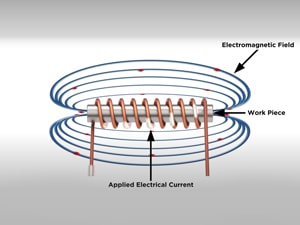
August 12, 2025
How Induction Heating Works: Technology, Benefits & Applications
Induction heating technology is transforming industries by providing fast, efficient, and precise heating solutions. Whether…August 12, 2025
How Induction Heating Works: Technology, Benefits & Applications
Induction heating technology is transforming industries by providing fast, efficient, and precise heating solutions. Whether… -
March 14, 2025
The Benefits of Buying American-Made Induction Innovations Products
When you choose American-made induction heating tools from Induction Innovations, you’re not just purchasing a…March 14, 2025
The Benefits of Buying American-Made Induction Innovations Products
When you choose American-made induction heating tools from Induction Innovations, you’re not just purchasing a…